


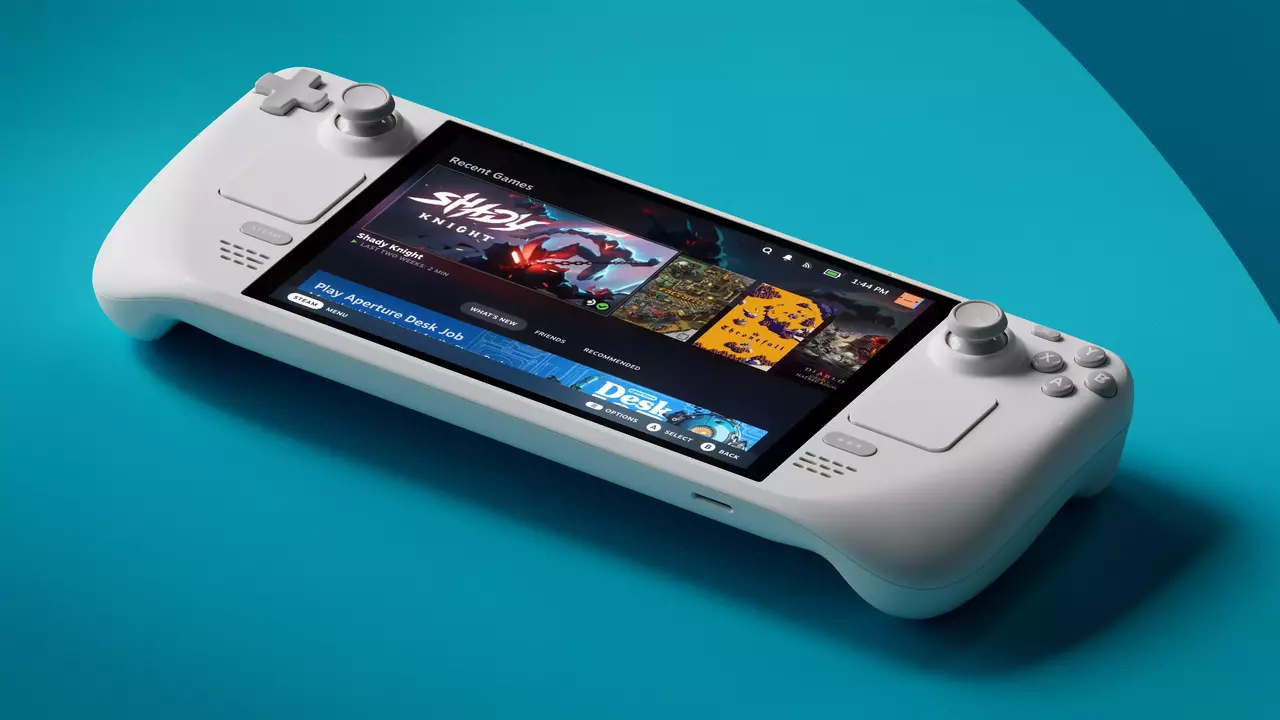
Limited-edition products present a fascinating intersection of design, scarcity, and human psychology. At their core, these items often share the same functionality as their standard counterparts. Yet, the subtle tweaks: a unique color palette, a logo variation, or even a collaboration with a renowned artist, can transform an everyday product into something extraordinary.
The Allure of Limited Editions
What drives this allure? Much of it comes down to human behavior and the way we perceive value. Scarcity is a powerful motivator; when an item is labeled “limited,” it taps into our fear of missing out (FOMO). Suddenly, owning that item isn’t just about its utility, it’s about being part of an exclusive group, a select few who managed to secure something others can’t have.
Emotional Investment and Identity
This exclusivity often heightens emotional investment. A limited-edition product can feel more personal, almost like a story or a piece of history attached to it. Whether it’s nostalgia, admiration for the design, or the simple thrill of rarity, these items trigger a deeper connection than their mass-produced equivalents.
Interestingly, the phenomenon also reflects a cultural aspect of identity. In a world where mass production is the norm, owning something rare becomes a way of expressing individuality. It’s not just about the product; it’s about what it symbolizes: a unique taste, a keen eye for detail, or an appreciation for the exceptional.
Market Dynamics and Frenzy
When these products hit the market, they often spark a frenzy, from long queues outside stores to online bidding wars. It’s a testament to how scarcity, combined with thoughtful design, can elevate even the most utilitarian object into something deeply desirable. Limited editions are not just items, they’re a case study in how design and psychology come together to shape human interest.
Case Study: The Steam Deck OLED White Version
Valve released a limited edition white Steam Deck OLED in November 2024, and it’s already making waves online. These exclusive handheld devices are being snapped up by resellers and listed on marketplaces like eBay for over $1,000, despite the recommended retail price being $679 USD. This price hike highlights a common human behavior: the desire to capitalize on scarcity.
The white Steam Deck OLED, announced just last week, has generated significant excitement among collectors and tech enthusiasts alike. The limited availability and the appeal of owning a unique version of the popular handheld have driven many to pre-order quickly. Consequently, it’s no surprise that the device is now out of stock in the UK, though reports suggest it’s still available in the US, Canada, and parts of Europe (but likely not for long).
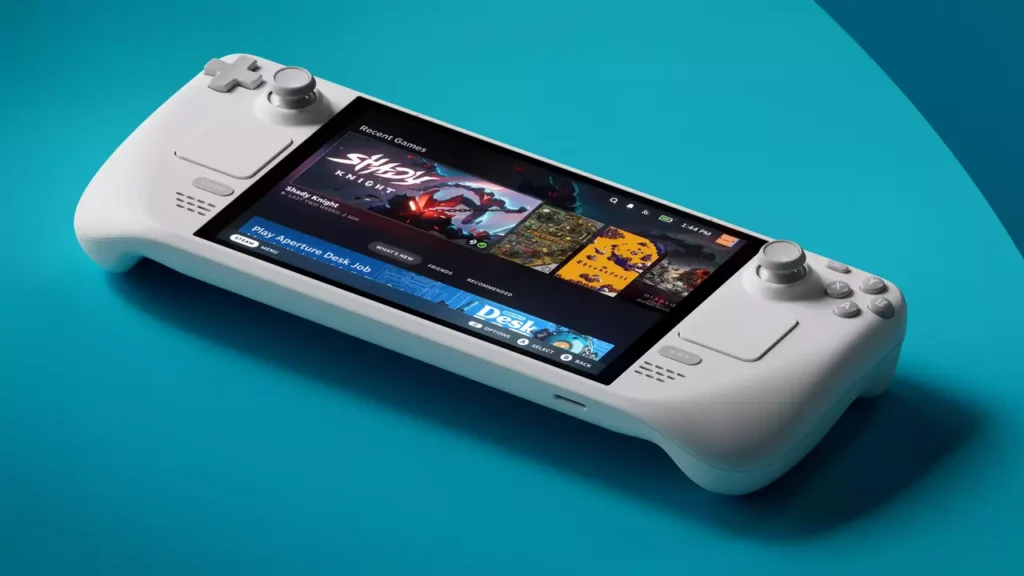

Interestingly, the white model shares the same specifications as the regular Steam Deck OLED 1TB model, so there’s no performance advantage. However, it does come with exclusive items like a white carrying case and a white microfiber cleaning cloth, adding to its allure. As mentioned, this is a typical case of FOMO, prompting swift purchases and the subsequent resale at inflated prices.
Despite the inflated prices from resellers, Valve continues to ship these pre-ordered devices worldwide, including to regions like Australia, which recently became part of the Steam Deck’s distribution network.
It’s intriguing to see how limited availability can drive human behavior and market dynamics. The blend of exclusivity and the fear of missing out often leads people to make swift purchasing decisions, sometimes at a steep premium.

How to Get One
The best way to get a white Steam Deck OLED is from the Valve official store or from a reseller you can trust. Be careful with online scams.